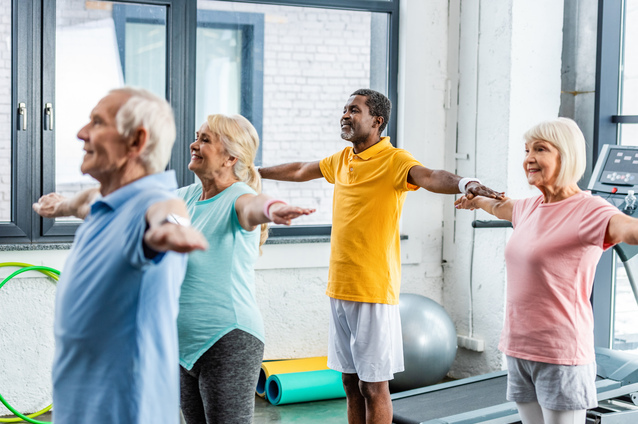
Retirement marks more than just the end of a career; it’s the beginning of a brand-new chapter brimming with opportunities for relaxation, hobbies, and self-care. With the newfound abundance of free time, it becomes the perfect opportunity to focus on staying active and maintaining independence; key factors that significantly enhance overall well-being.
Engaging in regular physical activity is crucial for seniors. It helps maintain muscle mass and bone health, keeps the heart healthy by reducing the risk of chronic conditions, and supports brain health by enhancing memory and cognitive function. Moreover, staying active is a great mood booster and can help reduce stress, anxiety, and depression.
At Dunwoody Pines, seniors can dive into a vibrant lifestyle that includes a variety of fitness programs, social clubs, and fun activities. These are all designed to encourage movement and foster engagement within the community. Living independently in such an active community not only makes it easier to stay physically active but also enhances social connections and overall wellness.
One of the greatest advantages of independent living is the wide range of wellness opportunities available to residents. Many communities offer on-site personal trainers and group fitness classes, along with structured wellness programs designed to support both mental and physical health. Access to community centers and local gyms provides additional opportunities for seniors to stay active and engaged in their fitness routines.
A maintenance-free lifestyle is another key benefit, as seniors no longer need to worry about household chores, allowing them more time to focus on fitness and hobbies. With access to nutritious meals that support overall health, residents can enjoy a stress-free environment that encourages an active and fulfilling retirement.
For those looking for a dynamic, independent lifestyle, many senior living communities in Georgia provide the perfect balance of freedom and support.
Staying active is one of the most effective ways for seniors to maintain their independence, vitality, and overall well-being. Engaging in regular movement not only enhances physical health but also supports mental and emotional wellness, helping seniors feel more energized and connected to their communities. Independent living communities offer a variety of opportunities for residents to stay active in ways that suit their abilities and interests, ensuring that exercise remains enjoyable, accessible, and beneficial for overall longevity.
Regular physical activity is vital for seniors, offering numerous health benefits that contribute significantly to a quality life in independent living settings. Staying active helps seniors maintain a healthy weight and also strengthens major muscle groups, which improves balance and mobility.
Moreover, physical activity supports bone density, helping to ward off osteoporosis, and it contributes to cardiovascular health by lowering blood pressure and enhancing heart function. These benefits are crucial for seniors looking to enjoy their independence longer and with fewer health complications.
Comprehensive guides and tips for staying active in older age are available through the National Institute on Aging and the Centers for Disease Control and Prevention, which provide valuable resources for maintaining health through activity.
Exercise not only benefits physical health but also significantly improves mental well-being in several ways. Regular physical activity helps reduce stress, anxiety, and depression, common issues that can affect overall quality of life. Additionally, it supports increased cognitive function and memory retention, which are vital for maintaining mental acuity as we age.
Exercise also enhances mood and emotional resilience, providing a natural boost to mental health. Furthermore, engaging in group activities or community exercise programs encourages social interaction and engagement, fostering a sense of belonging and improving emotional well-being.
One of the keys to maintaining a consistent exercise routine is finding activities that are both enjoyable and sustainable. Seniors who engage in physical activities they genuinely enjoy are more likely to stay committed and reap the long-term benefits of an active lifestyle. Whether it’s walking in a scenic park, participating in group fitness classes, or engaging in hobbies like gardening or dancing, incorporating movement into daily life in a fun and fulfilling way can make a significant difference.
1. Managing Chronic Conditions and Physical Limitations
Seniors with chronic conditions should always consult their healthcare providers before beginning a new exercise routine. It is essential to ensure that physical activities are safe and appropriate for their specific health needs.
Starting slowly with low-impact exercises can help prevent injury while gradually building strength and endurance. It is also important to avoid any exercises that cause chest pain or discomfort, as these could indicate potential health risks. For those with physical limitations, modifying workouts to accommodate their abilities ensures they can stay active without strain or discomfort.
2. Staying Motivated
Maintaining motivation to stay active can be a challenge for many seniors. One effective way to stay engaged is by joining a walking club or group exercise class, providing both social interaction and encouragement.
Setting small, achievable goals, such as committing to 15 minutes of movement each day, can help create a sense of accomplishment and build consistency over time. Tracking progress using a fitness journal or a wearable device can also be an excellent way to stay accountable and measure improvements, making it easier to maintain a long-term commitment to staying active.
3. Adapting Exercises to Individual Needs
Every senior has unique physical abilities, and adapting exercises to individual needs is crucial for maintaining an active lifestyle. For those with limited mobility, seated exercises offer an effective way to stay engaged without excessive strain. Water aerobics provides a low-impact alternative that is easy on the joints while still promoting cardiovascular health and muscle strength. Community fitness programs designed for older adults offer structured and supportive environments where individuals can participate in safe, modified workouts tailored to their needs.
Experts recommend that seniors aim for:
A personal trainer can help seniors create a safe and effective exercise routine.
If seniors could only choose one exercise to prioritize, brisk walking would be the top recommendation. Walking is a simple yet highly effective way to stay active, offering numerous health benefits without requiring special equipment or extensive training. It strengthens the heart, improves circulation, and helps maintain healthy blood pressure levels.
Regular walking also supports bone density and leg strength, reducing the risk of falls and fractures. Beyond the physical benefits, it has a positive impact on cognitive function, enhancing memory and mental clarity. Whether taking a stroll through a scenic park, walking with a friend, or joining a community walking group, this low-impact activity is a powerful way for seniors to stay healthy, independent, and engaged.
Strength training just twice a week can help prevent the loss of muscle mass and bone density, keeping seniors strong and independent for longer.
The best exercise routine for seniors combines cardio, strength training, flexibility, and balance exercises to promote overall health, mobility, and longevity. Many senior living communities provide structured fitness programs in fitness centers to ensure a supportive environment for seniors at any fitness level.
Monday – Cardiovascular and Balance Training
Brisk walking (30 minutes) or a walking group session
Chair yoga or tai chi for balance and flexibility
Tuesday – Strength Training
Weight training with light weights (2-3 lbs.) – 10-12 reps per exercise
Leg raises, bicep curls, and seated squats
Wednesday – Active Recovery and Mobility
Stretching exercises and light movement
Social activity or group class in senior living communities
Thursday – Cardio and Functional Strength
Water aerobics or an outdoor walk (30 minutes)
Core exercises such as seated leg lifts and gentle twisting movements
Friday – Resistance and Flexibility
Bodyweight exercises like wall push-ups and step-ups
Balance exercises using a chair for support
Saturday – Fun Group Activity
Dancing, Zumba Gold, or a group fitness class
Light stretching or an evening walk
Sunday – Rest and Recovery
Gentle stretching or meditation
Social engagement to maintain mental and physical health
Staying active is key to enjoying a fulfilling and independent lifestyle in retirement. With a balanced approach to physical activity, seniors can maintain their mobility, boost mental well-being, and build meaningful social connections. At Dunwoody Pines, we’ve designed a vibrant community where it’s easy to stay engaged, whether you’re joining a group fitness class, taking a scenic walk, or pursuing new hobbies with friends.
Ready to experience independent living at its best? Contact us today to learn how Dunwoody Pines can support your wellness goals and help you thrive in a lively, welcoming environment.

🐝✨ A little creativity can make a big difference!
Our residents at The Clairmont Retirement Community got creative while making beautiful bee water dishes using seashells. 🌊🐚
It was a fun, hands-on activity with a sweet purpose: helping our local pollinators stay hydrated! 💛
#SeniorLiving #IndependentLiving #CreativeAging #beefriendly


0 CommentsComment on Facebook
✨ Creativity, connection, and a little crafting magic! 🎨💖
Our residents at The Verandah Independent, Assisted Living, and Memory Care enjoyed a fun morning creating beautiful decoupage tiles and sharing plenty of smiles along the way. 🥰
A big thank you to All Saints Hospice for making this creative experience possible! 🌸
#SeniorLiving #CreativeAging #CommunityConnection


0 CommentsComment on Facebook


For Independent Living Communities Only
Move in by May 1st and get your first month’s rent waived
(Rent waived after 90 days of occupancy)
OR
Switch from a competitor and we’ll cover your moving expenses
(Up to $2,500 reimbursement)